“Is It All Improvised?”
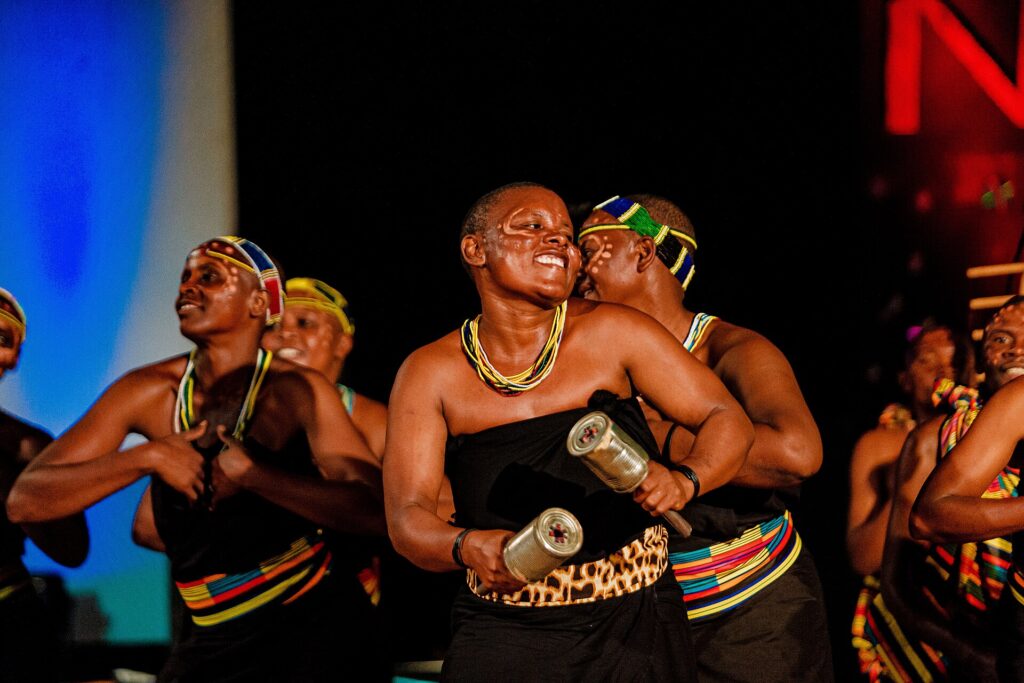
People ask me a version of the same question about African music more than any other. They have heard it at a concert, on a record, in a film, and what strikes them is how alive it sounds, how it seems to be happening rather than being reproduced. So they ask: is it all improvised?
It is a generous question and a wrong one. The honest answer is that African musical traditions are some of the most tightly composed music on earth, and that is exactly what makes their improvisation possible.
What Improvisation Actually Is
Start with a working definition. Improvisation is music created during performance: spontaneous, unrepeatable, gone the moment it has happened. But spontaneous is not the same as unconstrained. Every improvising musician is working inside stylistic rules, inside years of training, inside an accumulated sense of what belongs. What sounds like freedom from the outside is, from the inside, a very large set of decisions already made.
Any jazz musician recognises this immediately, and the parallel is not a coincidence. Both traditions hold structure and spontaneity in the same hand. In both, the simplest kind of improvisation is ornamentation: decorating what is already there. Above that sits variation on a theme. And at the far end, where most players only occasionally arrive, is the real thing: new melody, new text, new rhythm, made in the moment and belonging to that moment only.
Where the Misunderstanding Comes From
The idea that African music is essentially free, collective, spontaneous invention is a Western idea, and it has a history. The musicologist Kofi Agawu has argued that “African rhythm” as a category was largely invented in the mid-twentieth century, when researchers decided that African music was above all a rhythmic phenomenon, and that the invention served a purpose. It made Africans usefully, essentially different. Agawu’s position is blunt: the difference between African and Western rhythm is not categorical, but “largely a matter of emphasis and idiomatic preference.”
I would put it more simply. Calling music improvised is sometimes a way of saying you have not learned how it is put together.
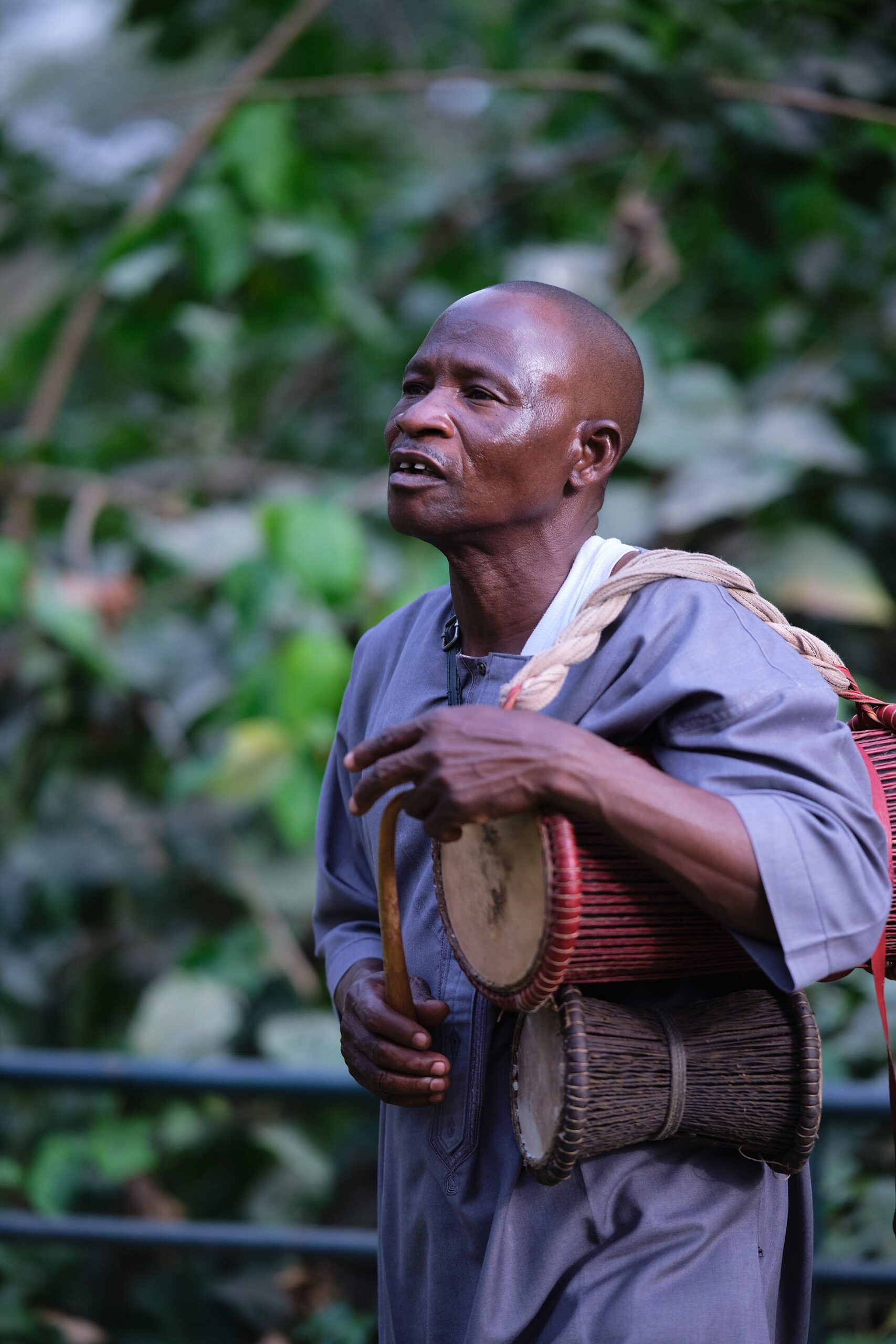
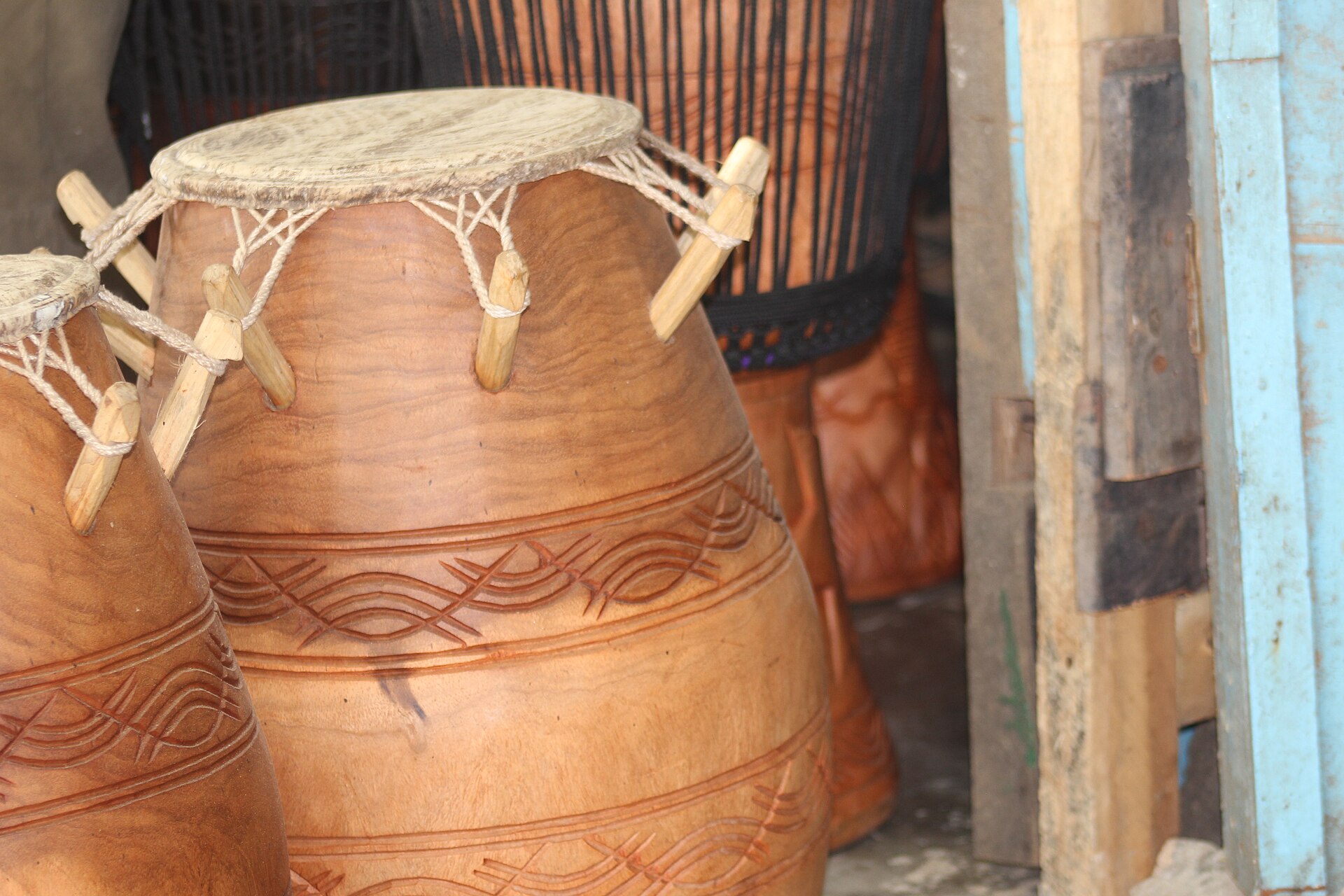
Because much African music is composed with great care long before anyone performs it. Court musicians across the continent have functioned as historians, and their material is not made up on the night. It is repertoire, held in memory, transmitted precisely. Among the Yoruba, the dùndún talking drum reproduces the tonal contours of speech closely enough to recite oríkì, praise poetry, along with proverbs, warnings and announcements. Akin Euba’s Yorùbá Drumming documents how much training that takes. A drummer who can make the drum speak is not improvising in any loose sense. He is reciting.
So What Is Improvised?
This is where David Locke’s work is useful. In his 1980 study of improvisation in West African musics, Locke observes that musicians improvise on melody, text, rhythm, form, polyphony and timbre, but not on scales. That last detail is easy to skim past and it tells you almost everything. In jazz, scale choice is a primary site of invention; a soloist redraws the harmonic map in real time. In these traditions the pitch material is settled. The invention happens elsewhere: in time, in text, in texture, in the exact placement and colour of a sound.
Listen to call-and-response singing with that in mind and you hear the architecture. The group holds the call: steady, communal, unchanging. The leader moves. In the Ewe war dance Agbekor, that division of labour runs through the whole ensemble. The double bell, gankogui, lays down the timeline that everything else is measured against, reinforced by the axatse rattle. The supporting drums each hold a fixed relationship to it: kagan on the offbeats, kidi on the back beat, kloboto and totodzi carrying the hemiolas. Only then, on top of all of that, does the lead drum, the atsimevu, get to speak, choosing among longer calls that the dancers can read and answer.
Three constraints, in ascending order of freedom:
- The bell pattern (gankogui): essentially never improvised on. It is the fixed thing everything else is measured against.
- The supporting drums: may ornament, but only within strict limits.
- The lead drum (atsimevu): has the widest licence, and still works from established rhythmic themes.
The freedom at the top is only possible because of the rigidity underneath. Take away the bell and you do not get more freedom. You get nothing to be free against.
Composition in Traditions We’re Told Don’t Compose: the Chopi and the Mbira
Two examples make the point better than any argument.
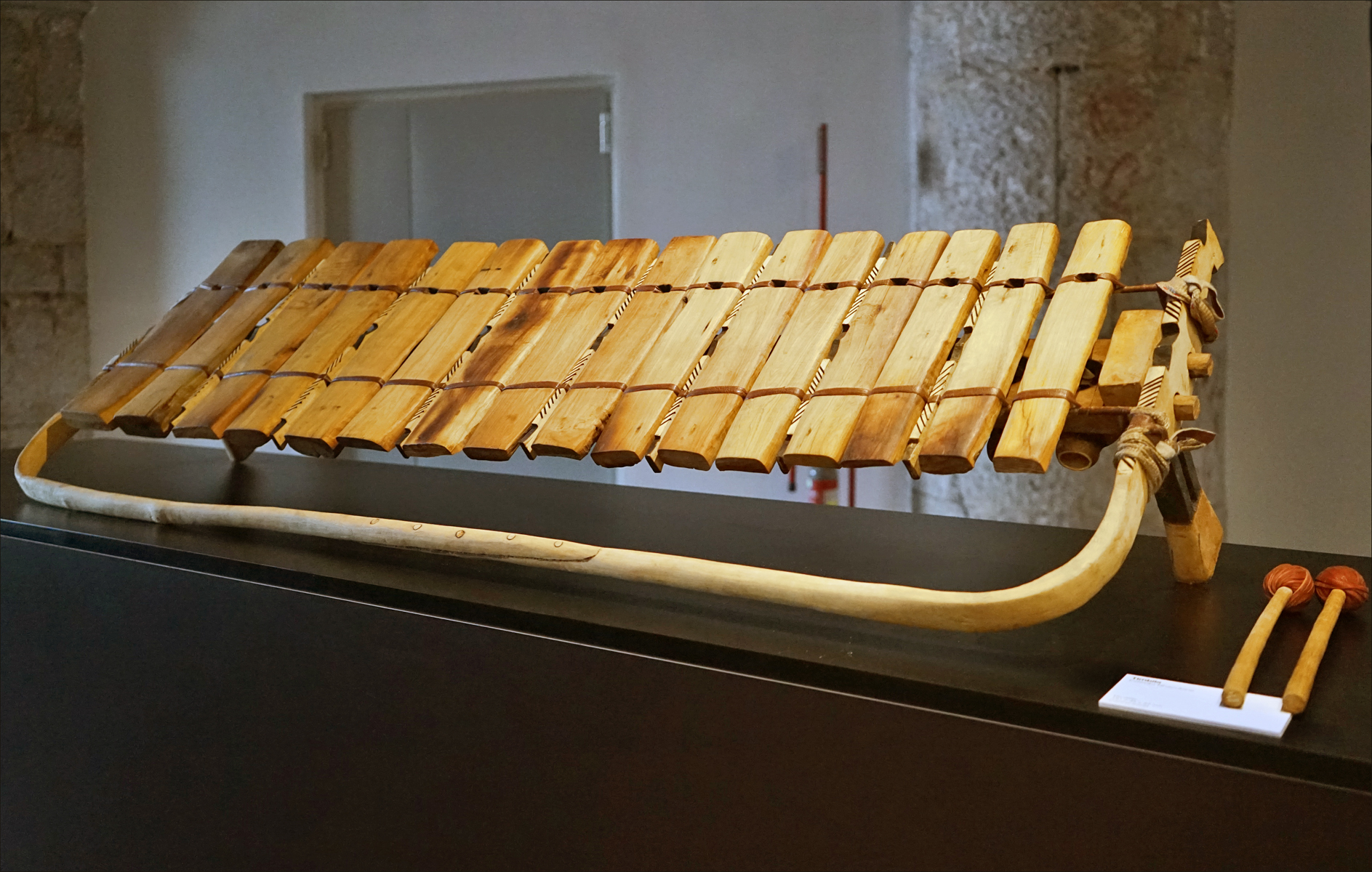
The Chopi of southern Mozambique build orchestras of tuned xylophones, timbila, and compose extended dance-poem cycles, migodo, for them. Hugh Tracey documented the process in Chopi Musicians in 1948, and the striking thing is the order of operations. It begins with words. The composer makes the poem first; melody follows the meaning and the tonal contour of the text; then countermelody; then the contrapuntal parts that give the ensemble its depth. Improvisation enters last, at the end of a long compositional chain, and it enters into a structure that has been built deliberately, communally, over time.
The nyunga nyunga mbira works the other way round, and is just as instructive. A player states a basic theme and then opens it out, layer by layer, introducing progressively more complex variations, weaving instrumental and vocal lines through the cycle. Theme and variation: the same principle that organises a great deal of European instrumental music, arrived at independently and used with a rhythmic sophistication that European practice never asked for.
How a Variation Is Actually Made
Locke describes the working techniques plainly, and they are the same ones I teach:
- Ornamentation: adding embellishment to a standard pattern.
- Syncopation: shifting an accent off where it is expected.
- Variation development: taking the “seed” of a pattern and following where it leads.
That last one is the real skill. Anyone can play something different. A lead drummer’s reputation rests on playing something different that is clearly the same idea, one the ensemble and the dancers can hear as a development rather than a departure.
That is a musical value, not a technical one, and it is the hardest thing to teach.
Closer to Home: the Wagogo and the Coast
I write this as a Tanzanian, and East African practice sits slightly differently again. Among the Wagogo of the Dodoma region, music and dance are not two things that accompany each other. They are one thing, ngoma, and the vocal polyphony they are known for is choral, communal, built from parts that interlock the way drums do elsewhere. On the coast, taarab is sung poetry above all, and the room’s attention is on the text; what a singer does with a line, how they bend and place it, is where the artistry lives.
Different traditions, same underlying logic. Something is fixed so that something else can move.
Where Musicians Say It Comes From: the Shona Bira
There is one more thing, and it complicates every neat account above, including mine.
Ask musicians in many of these traditions where their improvisation comes from and they will not describe technique. They will tell you it is a gift, from God or from the ancestors. Paul Berliner’s work on Shona mbira describes a whole world organised around this: the bira ceremony calls ancestral spirits through music the ancestors themselves loved, and the player’s role is to open a channel between the living and the dead. The improvisation is real, constant, endlessly varied, and the player does not claim authorship of it in the way a Western artist would.
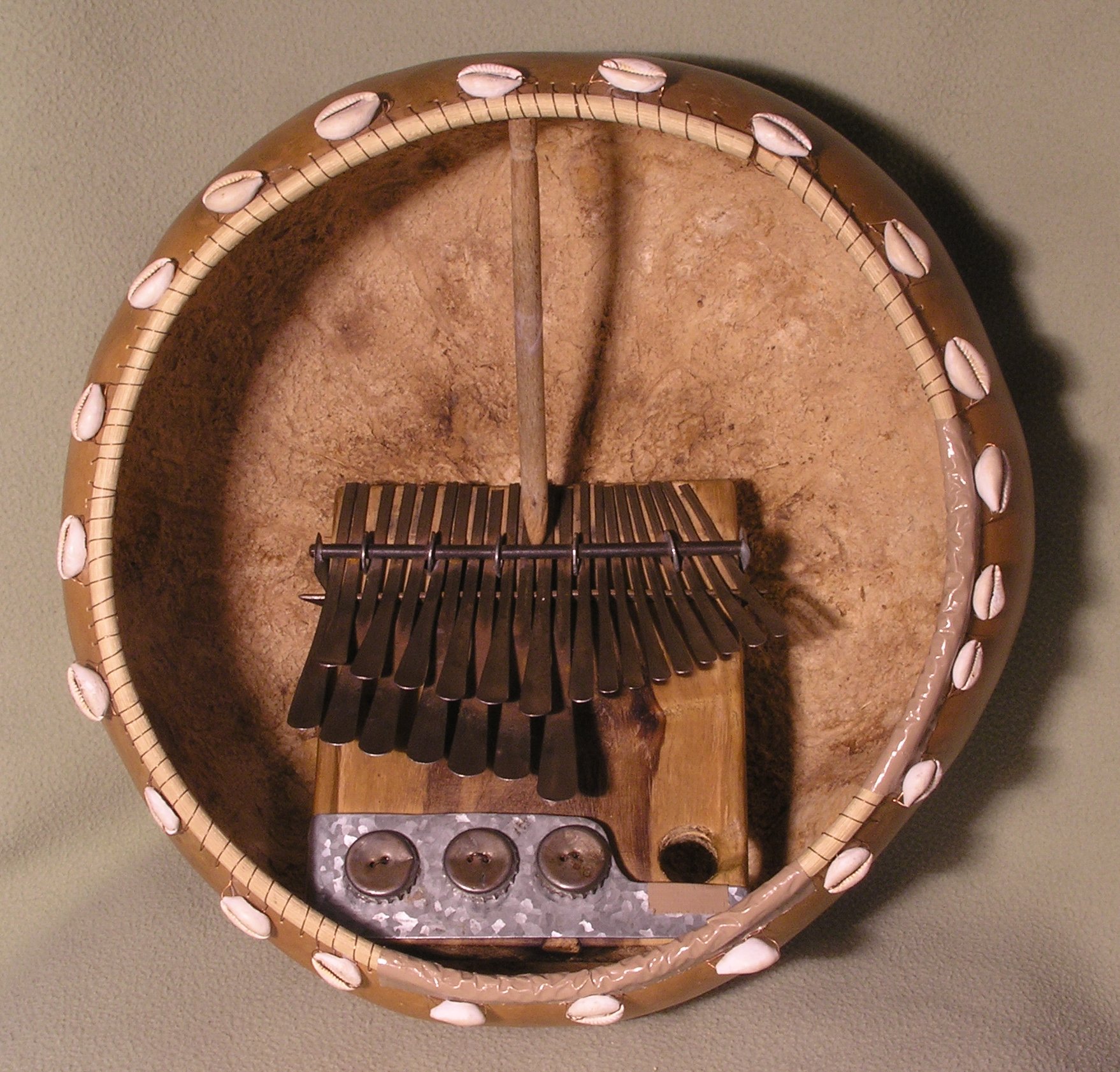
I do not think this is superstition dressed over a technical skill, and I do not think it contradicts the analysis. It is a different account of the same event. Western training says: you have practised, therefore you can. This says: you have been given something, therefore attend to it, and be worthy of it. Having sat in both traditions, I can tell you the second account produces a noticeably different quality of attention in a room.
What I Take From It
All of this ends up in my hands at the piano. Not as material to quote, but as a way of working. Decide what is fixed. Make it genuinely fixed: a bell pattern in the left hand, a text, a cycle, something that does not negotiate. Then find out what can move against it, and move only that. Play the variation that is recognisably the same idea. Trust that the structure is what lets you be free rather than what stops you.
Improvisation in African music is not the absence of composition. It is what composition makes room for.
Sources
- Kofi Agawu, “The Invention of ‘African Rhythm’,” Journal of the American Musicological Society, 1995.
- Paul Berliner, The Soul of Mbira: Music and Traditions of the Shona People of Zimbabwe (1978).
- Akin Euba, Yorùbá Drumming: The Dùndún Tradition (1990).
- David Locke, “Improvisation in West African Musics,” Music Educators Journal, Vol. 66, No. 5 (January 1980), pp. 125-133.
- Kedmon Mapana and Patricia Shehan Campbell, “Learning Wagogo (Nindo) Music: Pathway Through World Music Pedagogy” (2024).
- Jocelyn Moon, “Karimba: The Shifting Boundaries of a Sacred Tradition,” African Music.
- Hugh Tracey, Chopi Musicians: Their Music, Poetry and Instruments (1948).
