It All Starts In Here
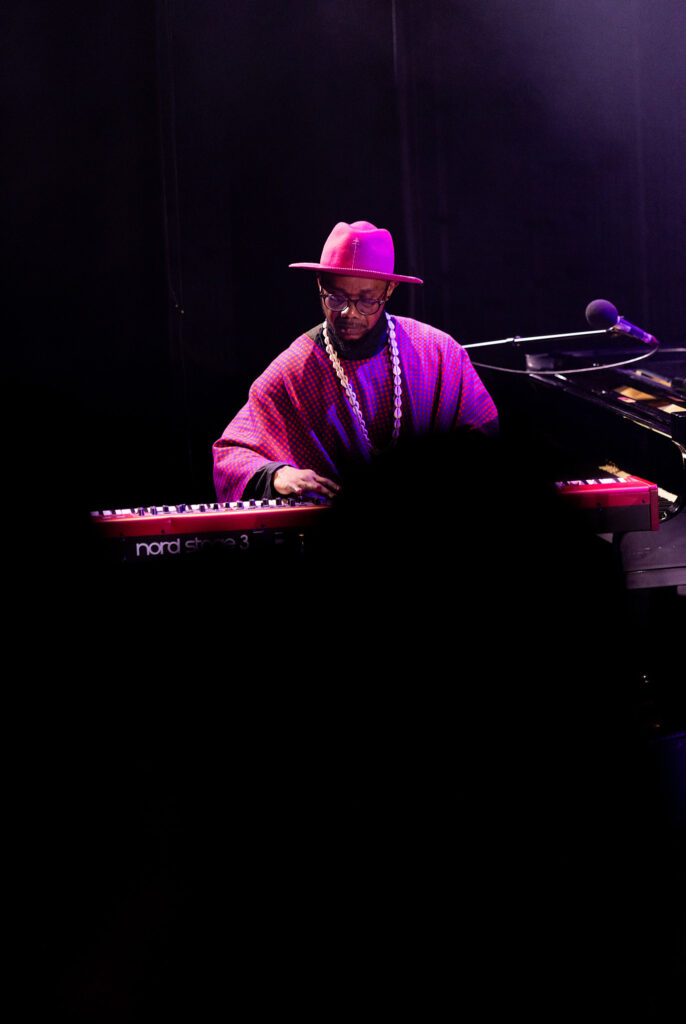
About Me
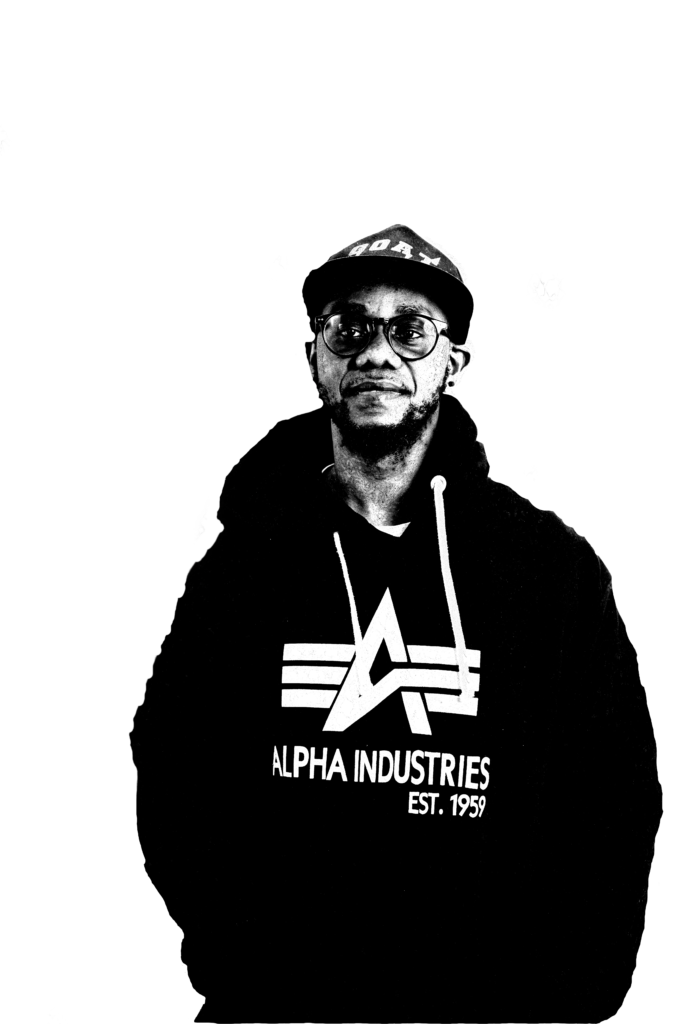
Baraka Paul Issabu is a Tanzanian pianist, music educator, composer, arranger and producer based in Helsinki, Finland. With a musical voice shaped by East African traditions and a deep love for rhythm, Baraka brings together heritage and innovation, weaving regional grooves and melodic phrasing into contemporary soundscapes influenced by Afrojazz, Afro-fusion, and Jazz. At the heart of his artistry is the piano, which he approaches not only as a harmonic instrument but also as a powerful narrator capable of carrying culture, memory, and emotion.
Committed to both performance and cultural preservation, Baraka has been involved with the East Africa Global Music Campus in Tanzania, where his artistic practice has grown through documenting, performing, and transmitting regional music cultures. This grounding in community-based knowledge and lived tradition continues to inform his composition, arranging and production work.
In 2023, Baraka took a major step in his international journey by enrolling in the Bachelor’s and Master’s degree programs in the Global Music Programme at Sibelius Academy in Helsinki—an experience that has broadened his creative palette and strengthened his work across genres and ensembles.
Baraka’s talent and versatility have led him to collaborate and perform with a wide range of Tanzanian and international artists. He has appeared at notable platforms and festivals including the Jahazi Literary & Jazz Festival, Sauti za Busara, the Zanzibar International Film Festival (ZIFF), Etno-Espa(Finland), Global Club Nights at Caisa Cultural Centre (Helsinki) and Vuotalo (Helsinki), Global Festival and Spring Festival (Sibelius Academy Global Music Programme, Helsinki), contributing to and helping shape the vibrant contemporary music scene connected to Tanzania and the wider region.
Professional Experience
Bands & Groups
As a band leader, Baraka Issabu shapes ensembles around rhythm, storytelling, and a strong East African foundation, creating space where every musician contributes to a shared groove and direction. Through the Baraka Issabu Duo and Quintet, he brings together Tanzanian and Finnish artists to translate regional song forms and interlocking patterns into Afro-jazz/afro-fusion arrangements enriched by jazz harmony and improvisation.
His leadership balances clear musical vision with collaborative openness—guiding rehearsals, arranging parts, and curating repertoire while leaving room for spontaneity on stage.
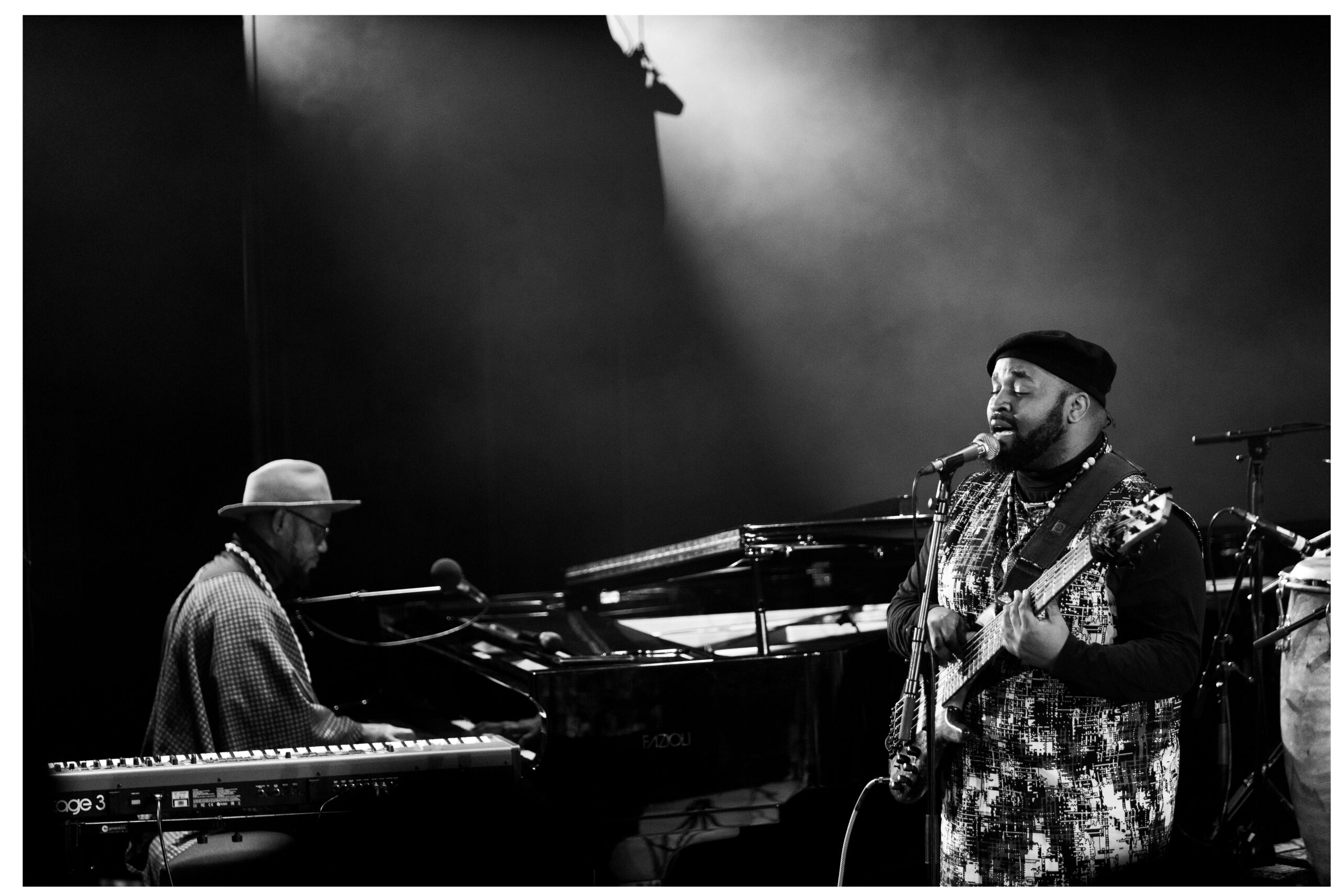
Witiri Duo
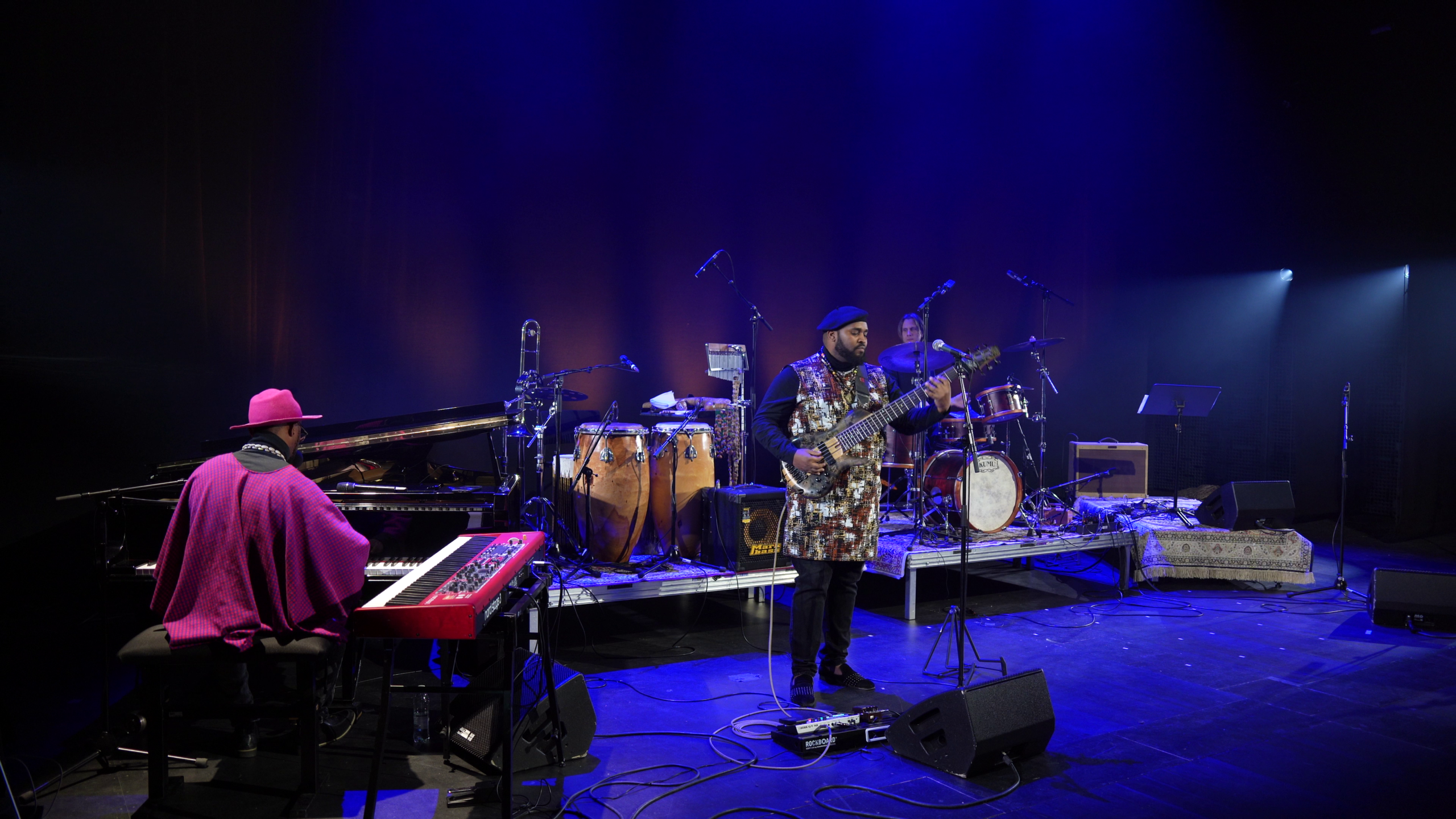
Baraka issabu trio
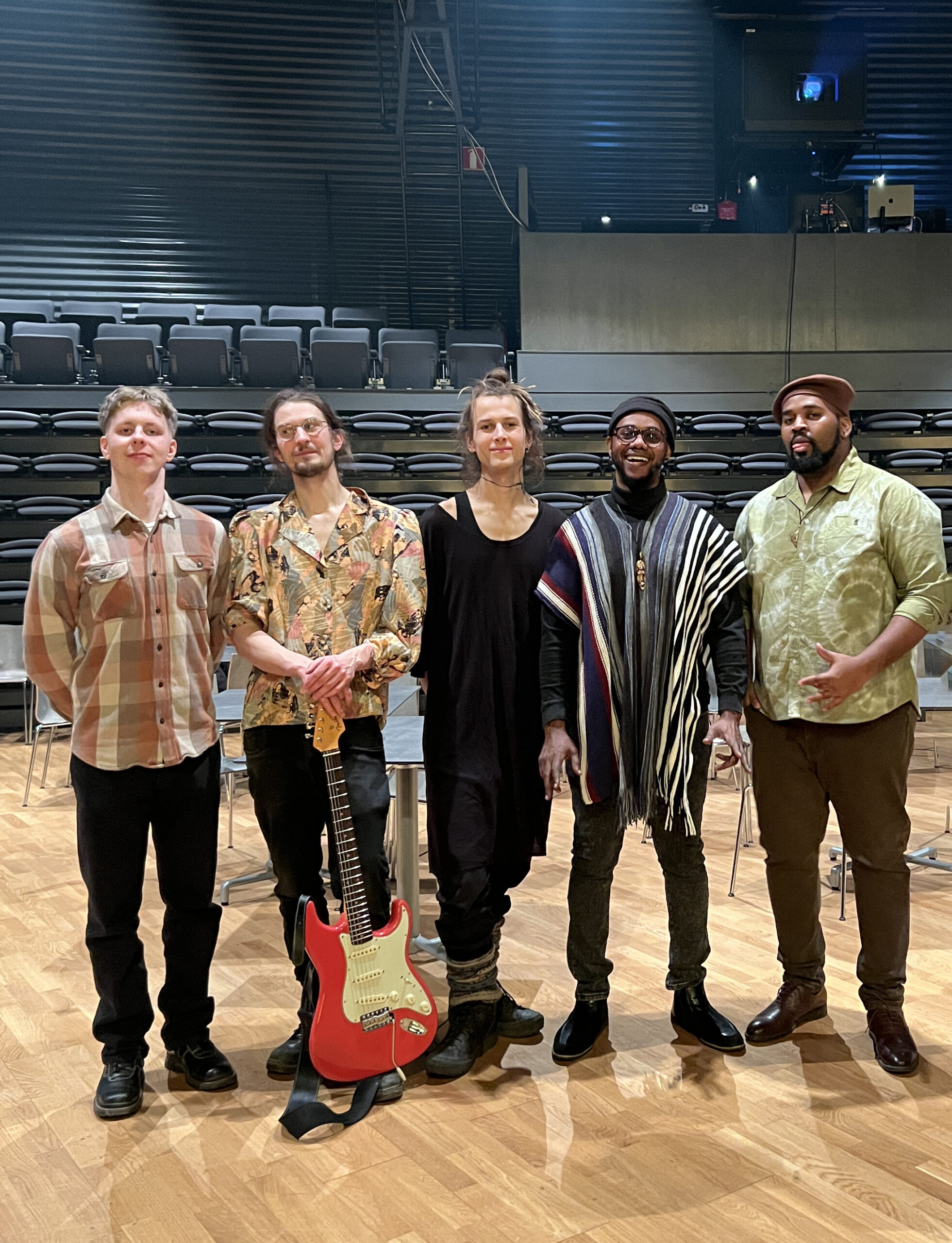
Baraka Issabu Quintet
Solo Performance
As a solo performer, Baraka Issabu delivers piano-led storytelling that blends East African rhythmic languages and melodic phrasing with Afrojazz, Afro-fusion, and jazz improvisation.
He approaches the piano not only as a harmonic instrument but as a narrator shaping groove, memory, and emotion into dynamic live interpretations, often drawing on interlocking rhythmic concepts and a strong sense of pulse. His released project African Child captures this solo voice clearly: rooted in heritage, contemporary in sound, and driven by rhythm, spontaneity, and expressive melodic lines.
- Afro Jazz
- Afro Fusion
- Gospel
- Jazz Fusion
Core artistic interests / themes
Heritage as a creative source
My work begins with the belief that heritage is not a museum object—it is living knowledge. I draw from East African musical languages (rhythmic phrasing, melodic contours, song forms, and performance values) and translate them into contemporary settings where they can speak to today’s audiences. This translation is not about copying “traditional elements,” but about understanding how the music thinks: how time is organized, how melodies carry meaning, and how ensemble roles create motion and collective energy. In my compositions and arrangements, heritage becomes a source of structure, identity, and storytelling—honored with respect while allowed to evolve through new instrumentation, harmony, and concert formats.
Cross-Genre Collaboration
I’m interested in spaces where musical worlds meet without losing their identity. Jazz harmony and improvisation give my music openness—room for spontaneous dialogue, personal expression, and risk—while East African and regional forms bring grounded rhythmic logic and culturally rooted phrasing. I also collaborate across disciplines and aesthetics, where dance and movement inform the way rhythms are played and felt, and where popular-music sensibilities (hooks, repetition, directness) can coexist with improvisation and complex ensemble writing. These cross-genre encounters help me create music that is both sophisticated and accessible—intellectual in its craft, but physical in its impact.
Rhythm-Driven Composition
Rhythm is the engine of my music. I approach groove as a compositional tool—something that can shape form, tension, release, and emotional direction. African groove concepts inform how I build pieces: through layered cycles, shifting accents, call-and-response, and interlocking patterns that create forward motion. I often work with body-percussion thinking (clapping, stepping, vocalizing rhythms) as a way to internalize timing and generate material before it reaches the piano or the ensemble. The goal is not rhythmic complexity for its own sake, but rhythmic clarity and power: music that locks, breathes, and invites participation.
Music as Community Practice
For me, performance, education, and cultural documentation are not separate activities—they are one ecosystem. Making music is a social act: learned through participation, shaped by relationships, and sustained by community structures. My work includes building platforms, mentoring emerging musicians, leading workshops, and developing youth-centered projects that keep knowledge moving forward. Documentation and research are part of the same responsibility: to name sources accurately, understand context, and share musical practices in ways that are ethically grounded. Whether I’m on stage, in a classroom, or in field engagement, the goal is the same—music that connects people, strengthens cultural understanding, and creates meaningful exchange across generations and borders.
